
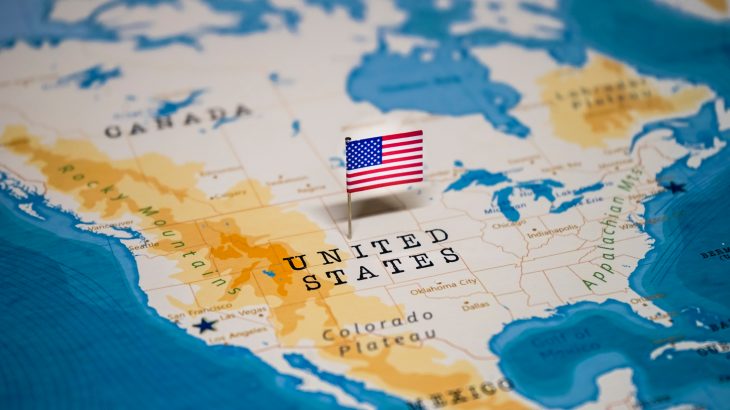
In June 2025, the U.S. government began implementing Presidential Proclamation 10949, suspending visa issuance for certain foreign nationals. But does this mean visa approvals are completely frozen? Not exactly. At Zhang-Louie PLLC, we’ve been following this closely—and there’s a narrow path forward for some travelers: the National Interest Exception (NIE).
According to the U.S. Department of State, visa applicants who would normally be subject to the proclamation may still apply for a visa and be considered for an exception—but only if their travel serves a U.S. national interest. These case-by-case exceptions can be granted by the Secretary of State or a designated official, in coordination with the Department of Homeland Security. This exception process is grounded in Section 4(d) of the June 4, 2025 proclamation and Executive Order 14150, which prioritizes U.S. strategic interests.
❗ Important: There is no separate NIE application. The determination is made during the regular visa application process.
This is where things get strict. According to AILA, NIEs are expected to be rare, and consular officers will only consider them if:
If you’re applying from a country subject to the proclamation:
Applicants should be ready to clearly articulate how their presence in the U.S. supports national interests. This means preparing to explain your role, provide documentation that supports your contribution, and being transparent about your travel purpose.
For many international professionals—especially those in technology, engineering, medicine, and national security-related fields—this exception could mean the difference between opportunity and delay. At Zhang-Louie PLLC, we’ve guided clients through complex immigration scenarios, including presidential proclamations and NIE requests. Our approach focuses on clarity, compliance, and maximizing the chances of a successful outcome.
GET IN TOUCH
Nicole says:
こちらの記事、大変参考になりました。特にNational Interest Exception(NIE)の要件について詳しく説明されており、米国ビザ申請者の方々にとって貴重な情報だと思います。
ところで、スペインのNIEに関する誤解についても気になって調べていたのですが、https://e-residency.com/blog/common-nie-myths-spain/ で紹介されている「Myth 3: NIEとTIEは同じもの」という部分が特に興味深かったです。米国のNIEとスペインのNIEシステムは根本的に異なりますが、このような識別番号制度における国際的な違いについて、もっと詳しく知りたいと思いました。
米国のNIEと他国の同様の制度を比較した資料や、異なる国での実務経験についての情報はありますでしょうか?移民法の専門家としてのご意見を伺えれば幸いです。
zoe@zllawoffice.com says:
Thank you so much for taking the time to read the article and for sharing such a thoughtful comment. We’re glad to hear that the explanation of the U.S. National Interest Exception (NIE) was helpful to you.
You raise an interesting point about the use of the term “NIE” in different countries. However, despite the similar acronym, the U.S. National Interest Exception and Spain’s NIE (Número de Identidad de Extranjero) serve very different purposes and are governed by completely separate legal systems. Our practice is focused exclusively on U.S. immigration law, so we’re not able to provide comparisons with foreign identification systems or comment on immigration frameworks outside the United States.
That said, we completely understand the curiosity, as immigration terminology can often be confusing when similar terms are used internationally. For questions related to non-U.S. systems, we recommend consulting official government sources or qualified legal professionals in the relevant country.
We truly appreciate your engagement with our content and your interest in immigration topics. If you ever need any U.S. immigration support, please feel free to contact us at 617-871-0788.