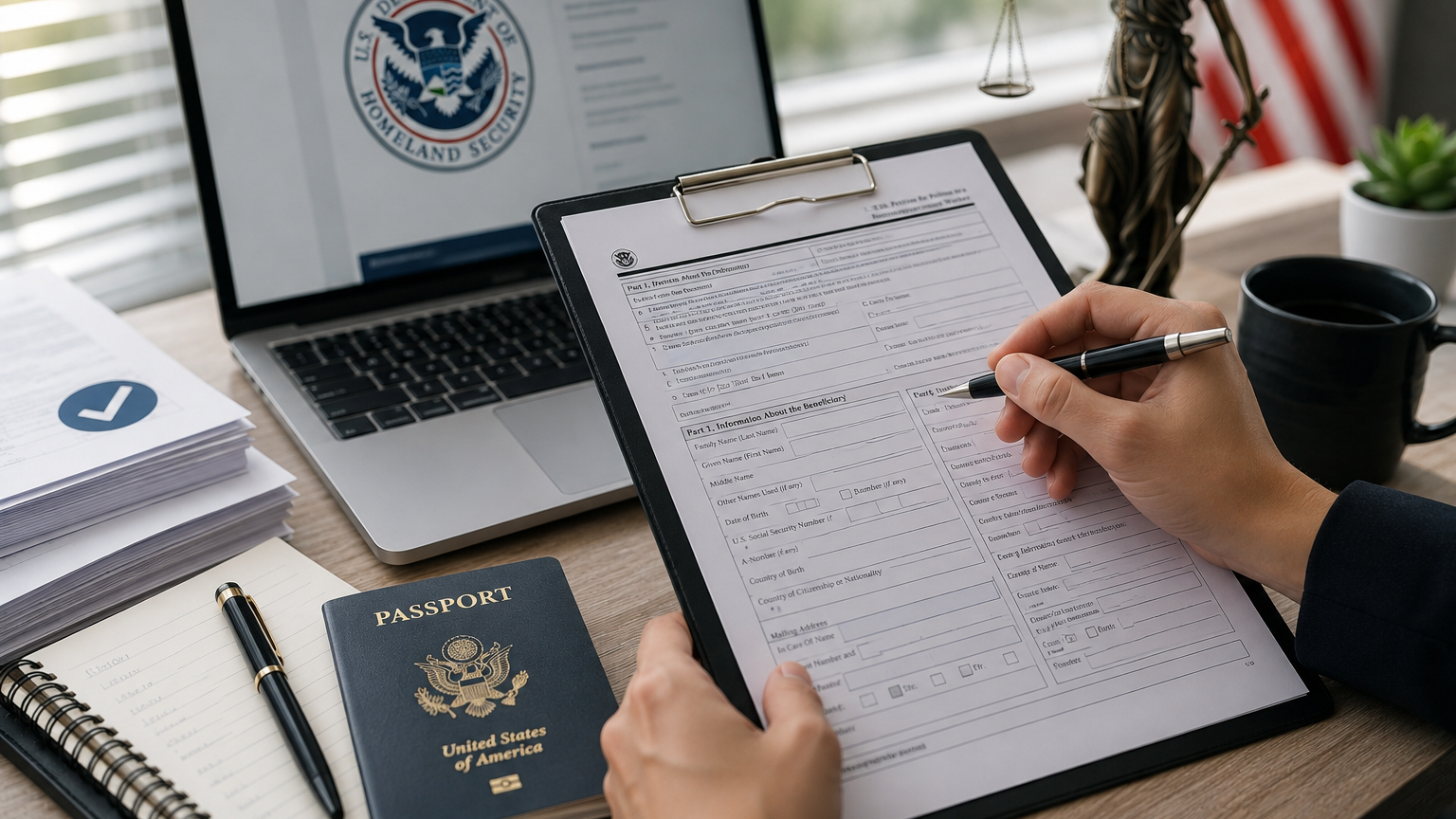
Filing a U.S. immigration application can feel straightforward, until a small mistake leads to a rejection, delay, or request for evidence. In 2026, as immigration processes become more detail-focused, even minor errors in your USCIS filing can create unnecessary setbacks.
For professionals pursuing visas such as EB-2 NIW, EB-1A, O-1, or E-2, getting the details right from the beginning is not just helpful, it is essential. Below is a clear breakdown of common USCIS filing mistakes and how to avoid them, so you can move forward with confidence.
USCIS has strict requirements when reviewing applications. Even simple issues, like using the wrong form version or submitting an incorrect payment, can result in:
For high-skilled professionals, these delays can affect job offers, project timelines, and long-term immigration plans.
1. Make Sure You Are Using the Correct USCIS Form Version
One of the most common mistakes is submitting an outdated form. USCIS regularly updates its forms, and older versions are often rejected automatically.
What to do:
This step takes only a few minutes but can save weeks, or months, of delay.
2. Use Proper Signatures (This Still Matters More Than You Think)
Many applicants assume digital signatures are acceptable across all forms. In most cases, they are not.
Key points to remember:
A missing or incorrect signature is one of the fastest ways to get your application rejected.
3. Double-Check Filing Fees Before You Submit
USCIS filing fees can change, and relying on outdated information is a common issue.
Before submitting:
Even a small discrepancy in payment can lead to rejection.
4. Use the Correct Payment Method (Important 2026 Update)
Recent changes have made payment methods more restrictive. As of late 2025, USCIS no longer accepts checks or money orders for many filings.
Accepted payment methods now include:
Important details:
This is one of the most overlooked updates—and a frequent reason for rejections.
5. Why This Matters Even More for EB-2 NIW, EB-1A, and O-1 Applicants
For professionals applying under categories like:
Your case already depends on strong documentation, strategy, and positioning. Administrative errors should never be the reason your application is delayed or denied. At Zhang-Louie PLLC, we regularly work with professionals who are highly qualified, but frustrated by avoidable delays caused by technical filing issues. A well-prepared case is not just about eligibility. It is also about:
When these elements come together, the process becomes smoother and more predictable.
GET IN TOUCH